La plupart des sites d'entreprise partagent un défaut commun : ils parlent de l'entreprise. Leur histoire, leurs valeurs, leurs équipes, leurs certifications. Et le visiteur, lui, est perdu dès la première phrase.
"Votre visiteur ne se demande pas qui vous êtes. Il se demande ce que vous pouvez faire pour lui."
Le problème : vous parlez de vous
Regardez votre page d'accueil maintenant. Combien de fois les mots "nous", "notre", "l'équipe de X" apparaissent-ils dans les 5 premières secondes de lecture ? Si c'est plus de zéro, vous avez un problème.
Le visiteur qui arrive sur votre site a une question en tête, pas deux : "Est-ce que ce site peut résoudre mon problème ?" Si la réponse n'est pas évidente en 3 secondes, il repart. C'est aussi simple que ça.
La solution : parler du client, pas de vous
La différence entre un site qui convertit et un site qui ne convertit pas tient souvent à une seule chose : le point de vue. Voici comment passer de l'un à l'autre.
1. Commencez par le problème que vous résolvez
Plutôt que "Bienvenue chez X, agence de communication fondée en 2015", essayez : "Vous perdez des clients faute d'un site à la hauteur de votre expertise. On règle ça en 30 jours."
La deuxième version parle du visiteur. Elle identifie sa douleur. Elle propose une solution. Elle donne un délai concret. C'est ça, un titre qui convertit.
2. Structurez selon le parcours émotionnel
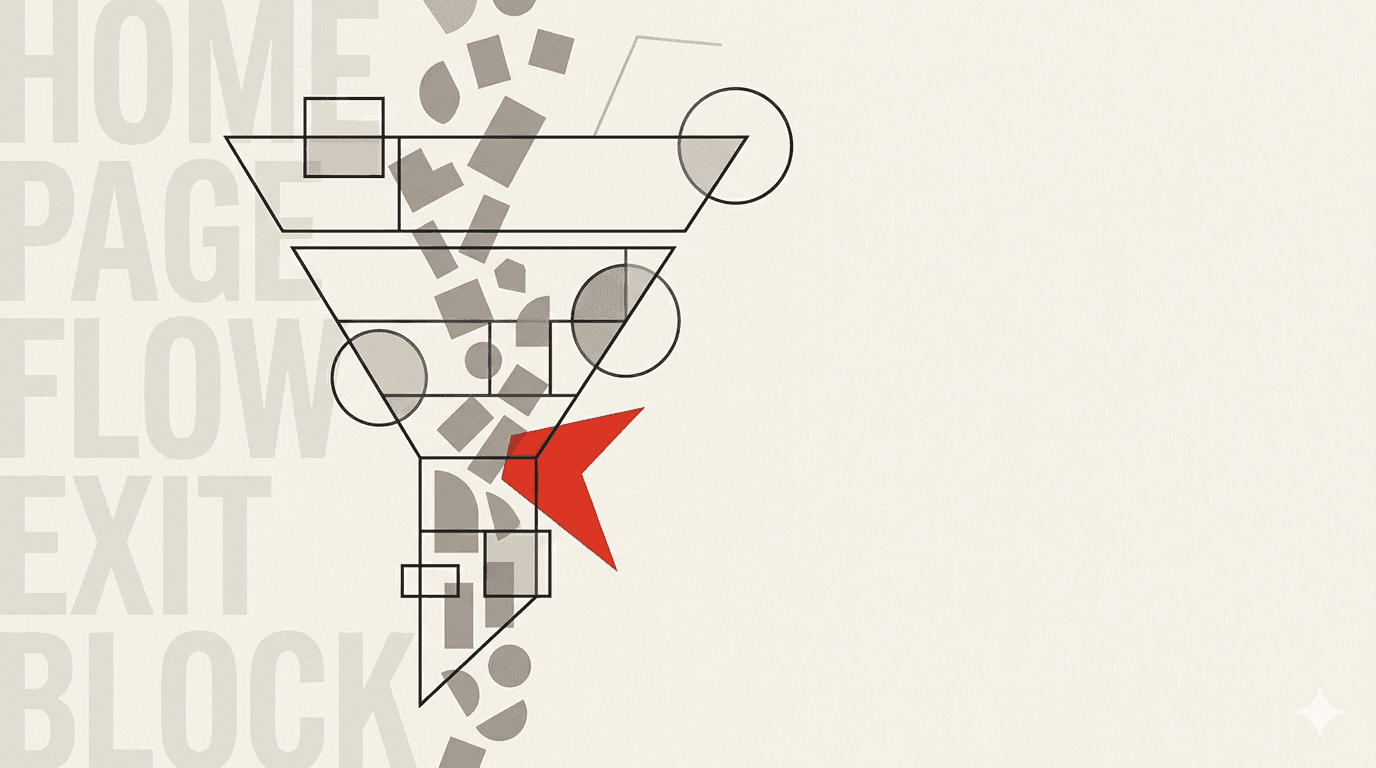
Un visiteur passe par quatre états successifs : il ne vous connaît pas, il s'intéresse à ce que vous faites, il veut en savoir plus, et enfin il prend contact. Votre page doit accompagner chacune de ces étapes.
- Section 1 : Capter l'attention avec un problème reconnaissable
- Section 2 : Présenter votre solution de manière concrète
- Section 3 : Prouver avec des exemples, chiffres ou témoignages
- Section 4 : Rendre le passage à l'action évident et sans friction
3. Soyez spécifique, pas générique
"Nous créons des sites web de qualité" ne veut rien dire. "Nous livrons votre site en 30 jours, avec le copywriting inclus et le SEO intégré dès le départ" : ça parle.
Plus vous êtes précis, plus vous inspirez confiance. Les généralités ne rassurent personne. Les détails concrets, oui.
Les 3 erreurs les plus fréquentes
En analysant des dizaines de sites de PME, on retrouve systématiquement les mêmes problèmes :
- Un hero sans proposition de valeur claire. Une belle image et un slogan vague ne disent pas au visiteur ce qu'il gagne à rester.
- Trop de texte, pas assez de hiérarchie. Si tout est important, rien ne l'est. Votre page doit guider l'œil vers l'essentiel.
- Un seul appel à l'action, tout en bas. Le visiteur décide de contacter ou non bien avant d'arriver au footer. Mettez votre CTA là où la décision se prend.
Par où commencer ?
Commencez par réécrire votre titre. Une seule phrase qui répond à : "Pour qui ? Quel problème ? Quelle solution ? En combien de temps ?" Ensuite, lisez votre page à voix haute. Si ça sonne creux, c'est que c'est creux. Si ça vous donne envie d'agir, vous êtes sur la bonne voie.
Si vous avez un doute, on peut regarder ça ensemble lors d'un appel de 30 minutes.